
Alice and the Hospital’s Three Murders
Los renglones torcidos de DiosAlice’s confidence as a detective grows as she distinguishes three deaths from rumor, prejudice, and the different delusions of the people around her.
increasing Bearing strength in each event
 decreasing
Bearing strength in each eventdecreasingA World of Possible Suspects
Learning the Population
Observation before accusation
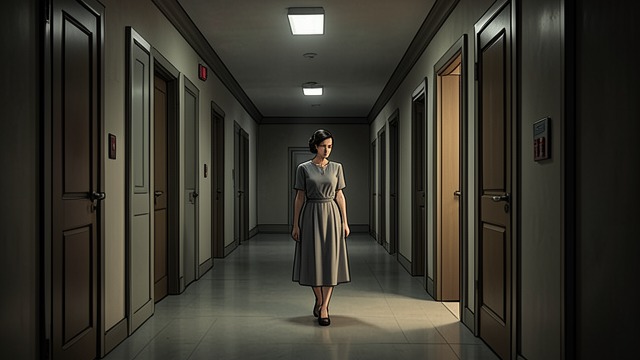
Alice studies the residents in the central hall and learns how diverse their illnesses can be. Her first impressions are incomplete, and she must resist treating unusual appearance or behavior as evidence of criminality.
A working list
She notes writing styles and routines that might matter to her assigned case. This early method establishes a detective’s discipline inside a place where many residents’ accounts of reality are themselves unreliable.
Deaths After the Outing
A Sudden Crime Scene
Missing residents
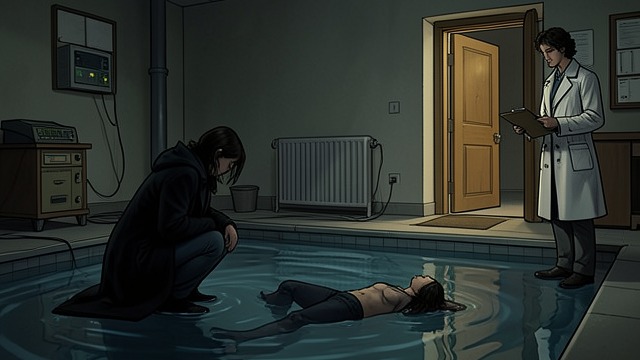
The outing produces panic, disappearances, and deaths. Two escaped ETA prisoners are later found killed, Rómulo is reported dead, and another resident has drowned in shallow water.
A detective moves unseen
Because ordinary access to the bodies is restricted, Alice adopts professional disguises to reach the autopsy room. She studies the injuries and notices details that point away from the obvious suspects.
Three Explanations
Evidence over Appearance
Separate motives
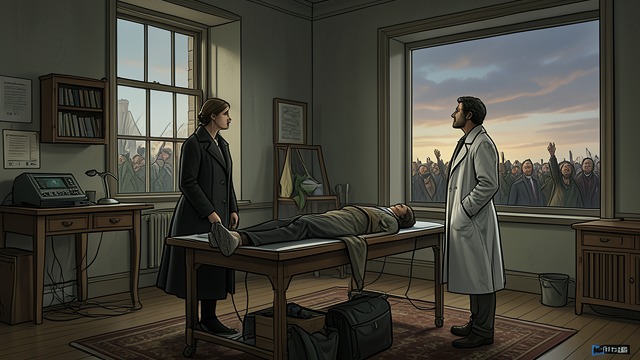
Alice argues that Norberto’s delusion explains the killings of the two ETA prisoners, while the water evidence clears Ignacio. She identifies the body presumed to be Rómulo as Remo and reconstructs the fatal misidentification involving José Sáez García.
Public confirmation
The investigators verify her deductions against the residents’ histories and physical evidence. Her account brings justice to the dead, though it does not make her own diagnosis any easier to settle.
During Alice’s first days among residents
The day after the disastrous country excursion
At the police inquiry following the killings
